To see all the links for the ‘How To’ posts for the “Imagine” Banner Weave along, please go to L I N K S
To order the loom, book and extras kit for the Weave Along from Mirrix, please go to K I T
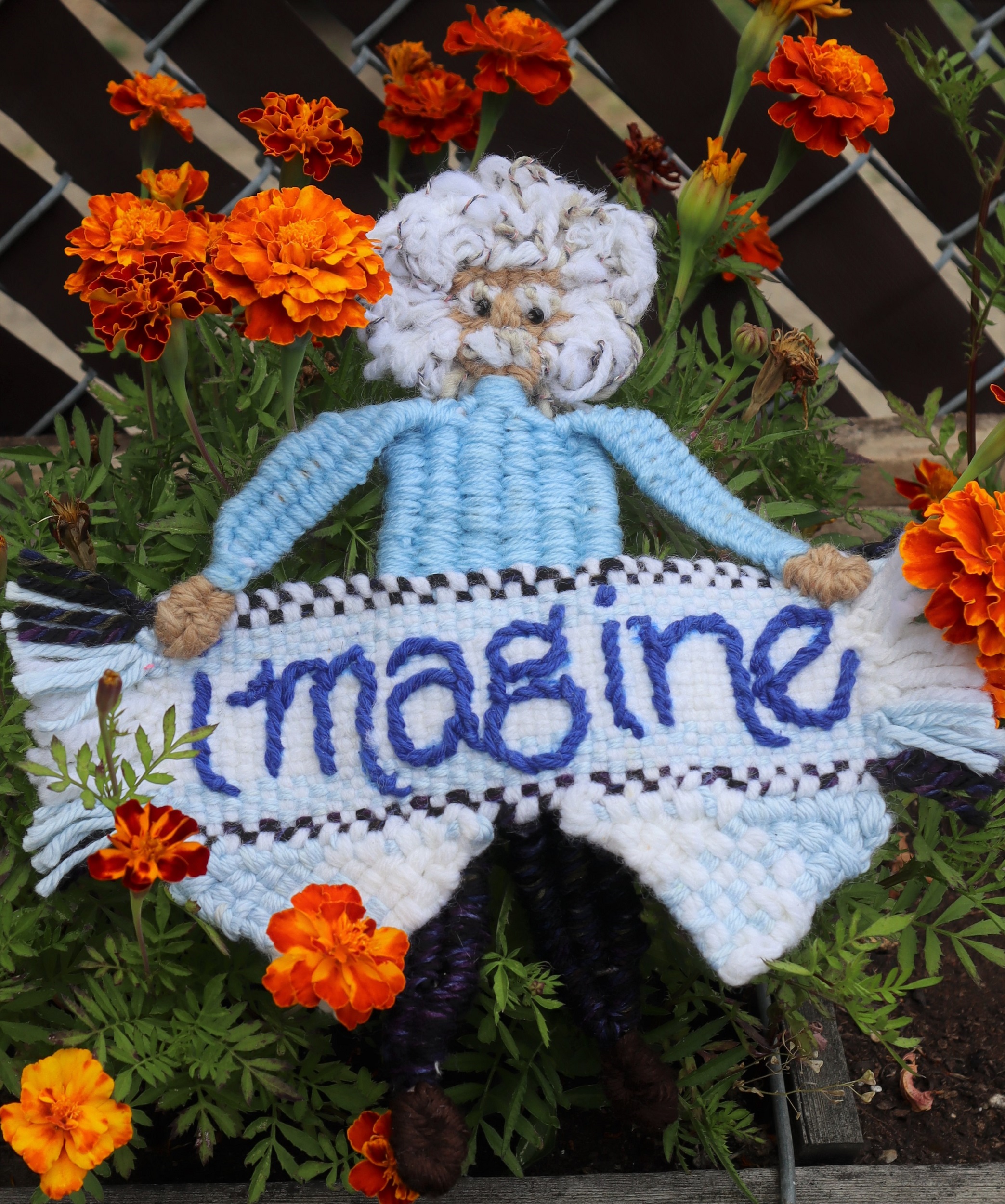
FREE FORM WEAVING: HOMAGE TO ALBERT EINSTEIN:
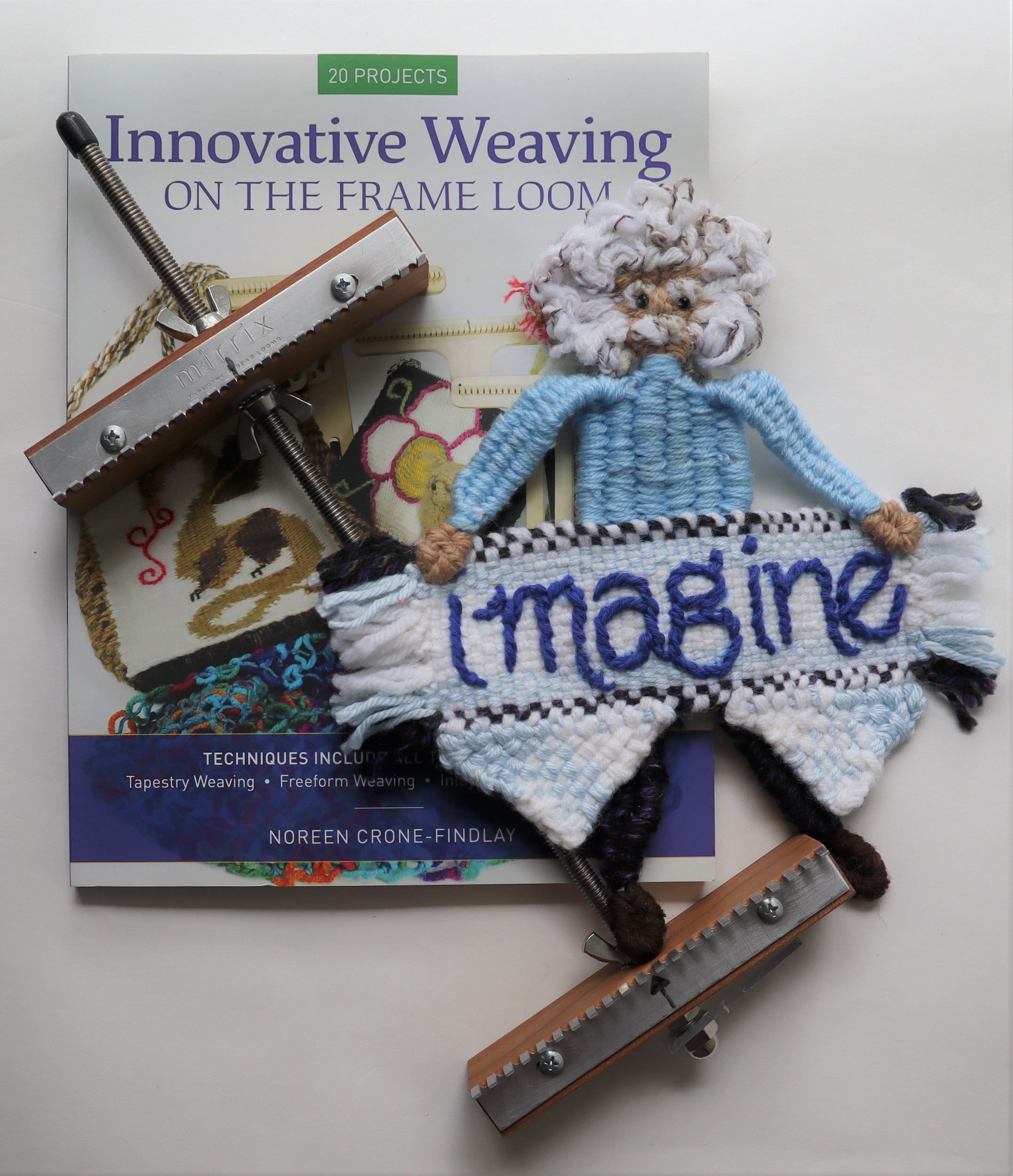
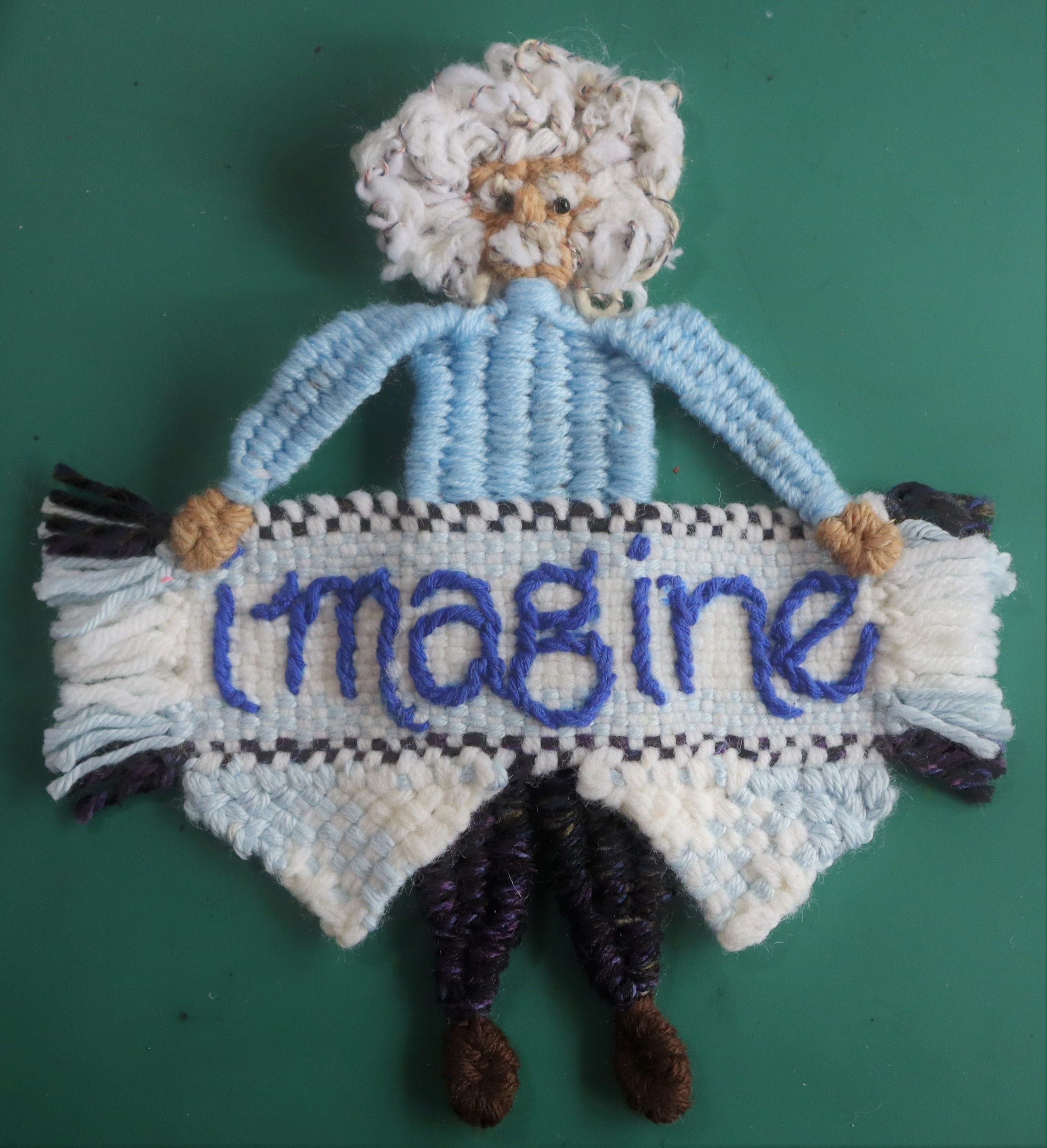
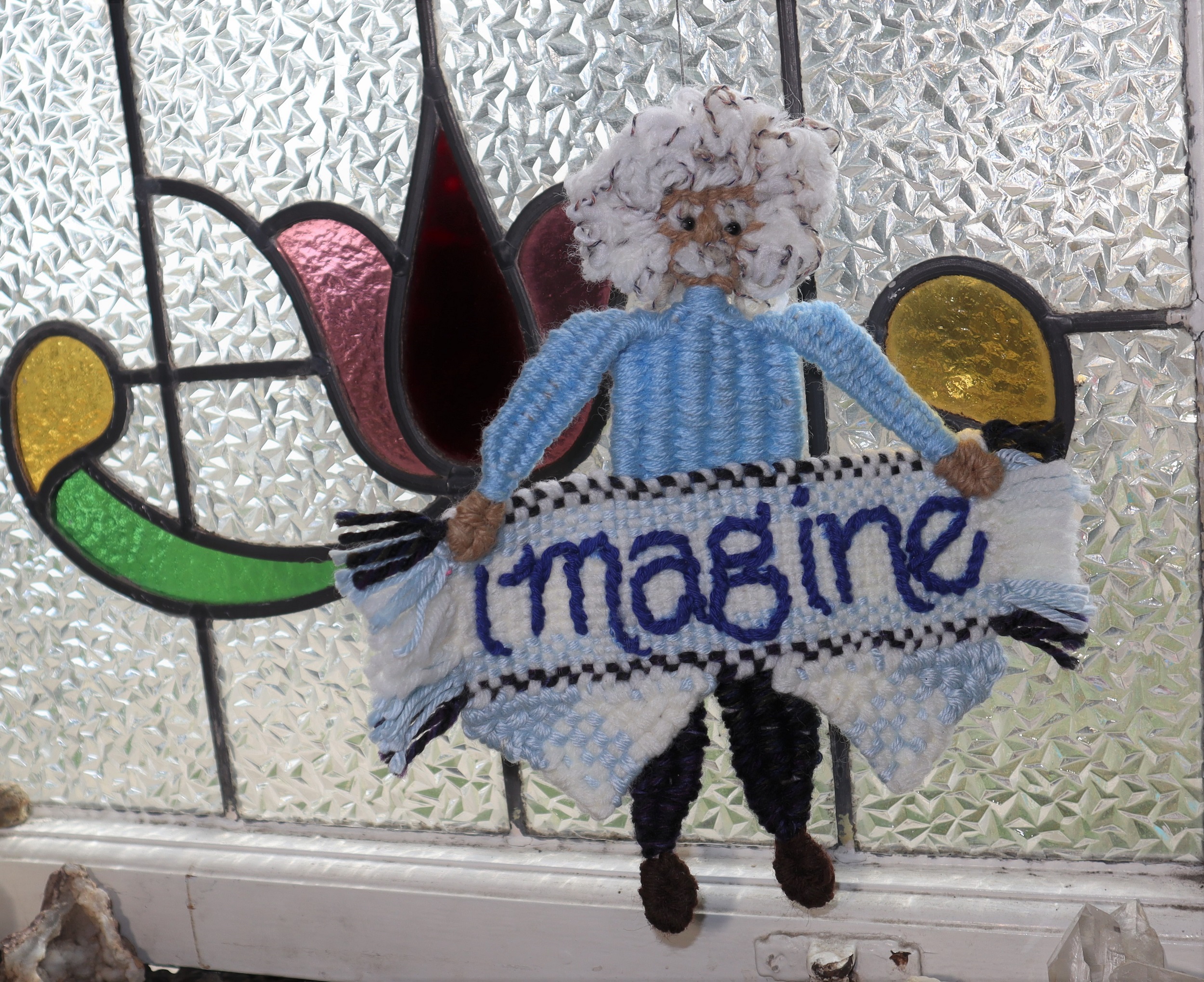
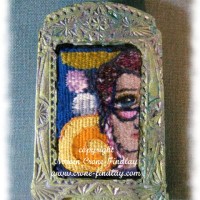
Albert Einstein is woven (with a few extrapolations and a slight adjustment to the waistline) following the instructions for the Woven Dancer on page 30 of “Innovative Weaving on the Frame Loom”.
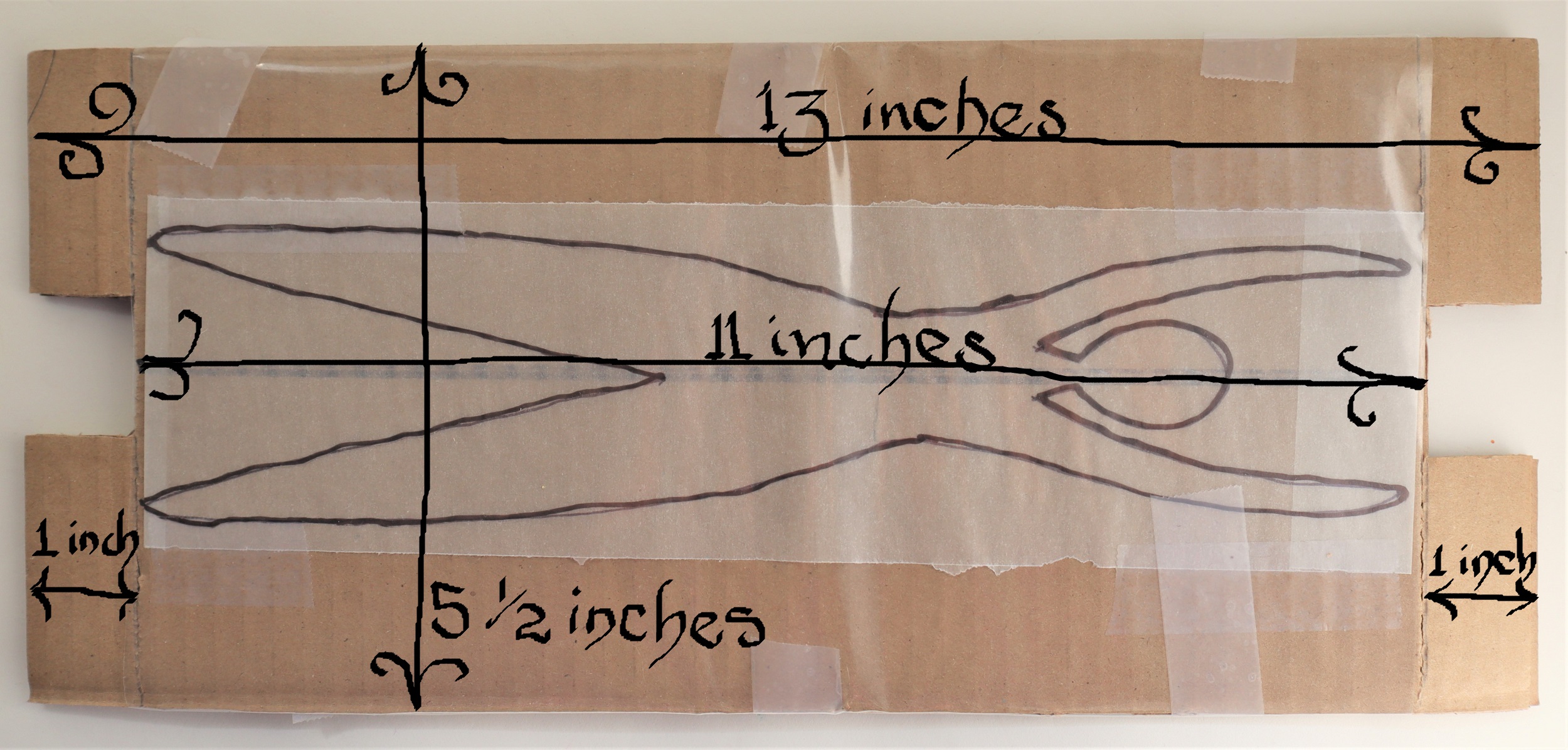
In order to hold the pattern onto the loom, a backing board is needed.
INSTRUCTIONS:
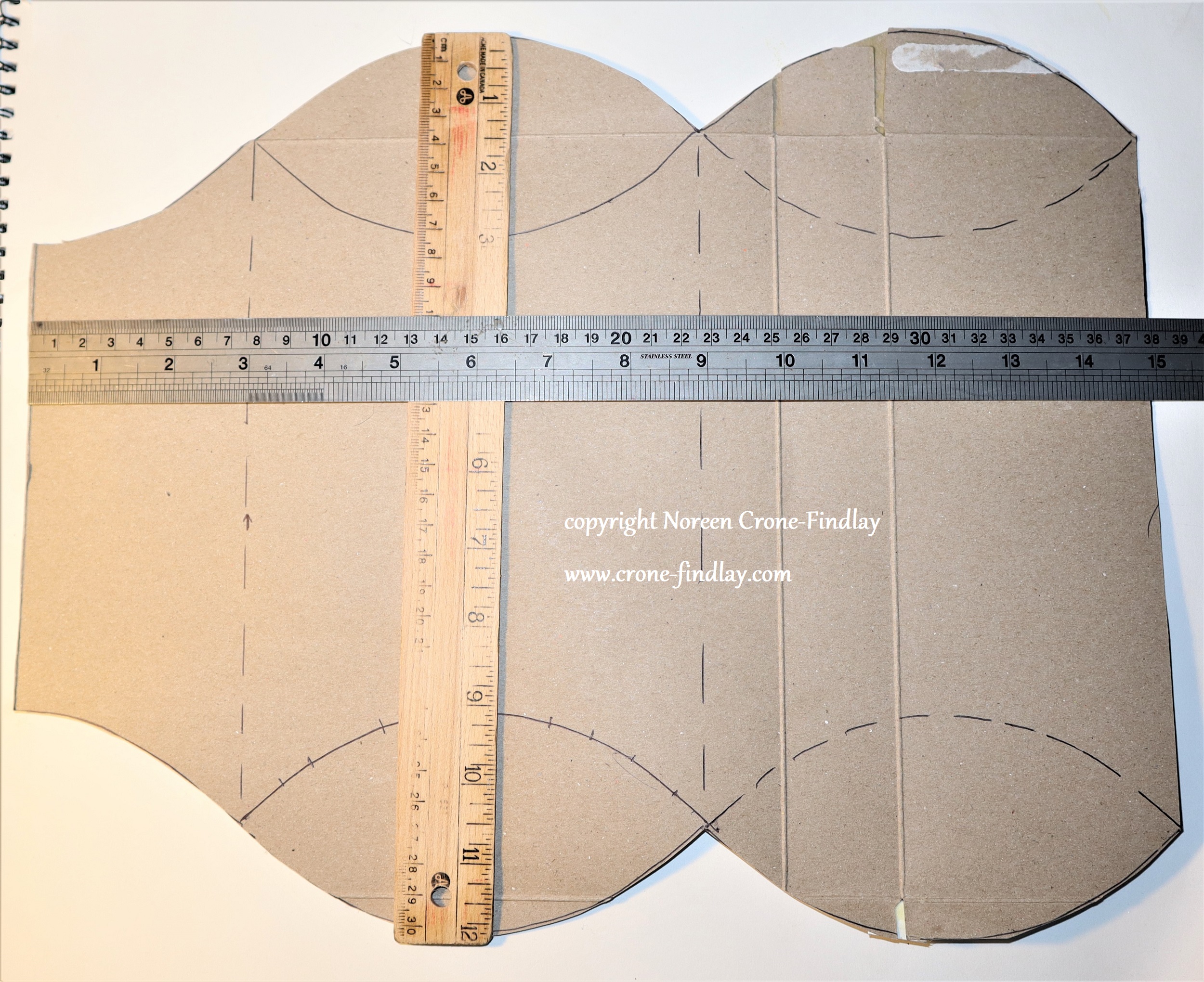
HOW TO MAKE THECARDBOARD BACKING BOARD FOR THE SAFFRON LOOM:
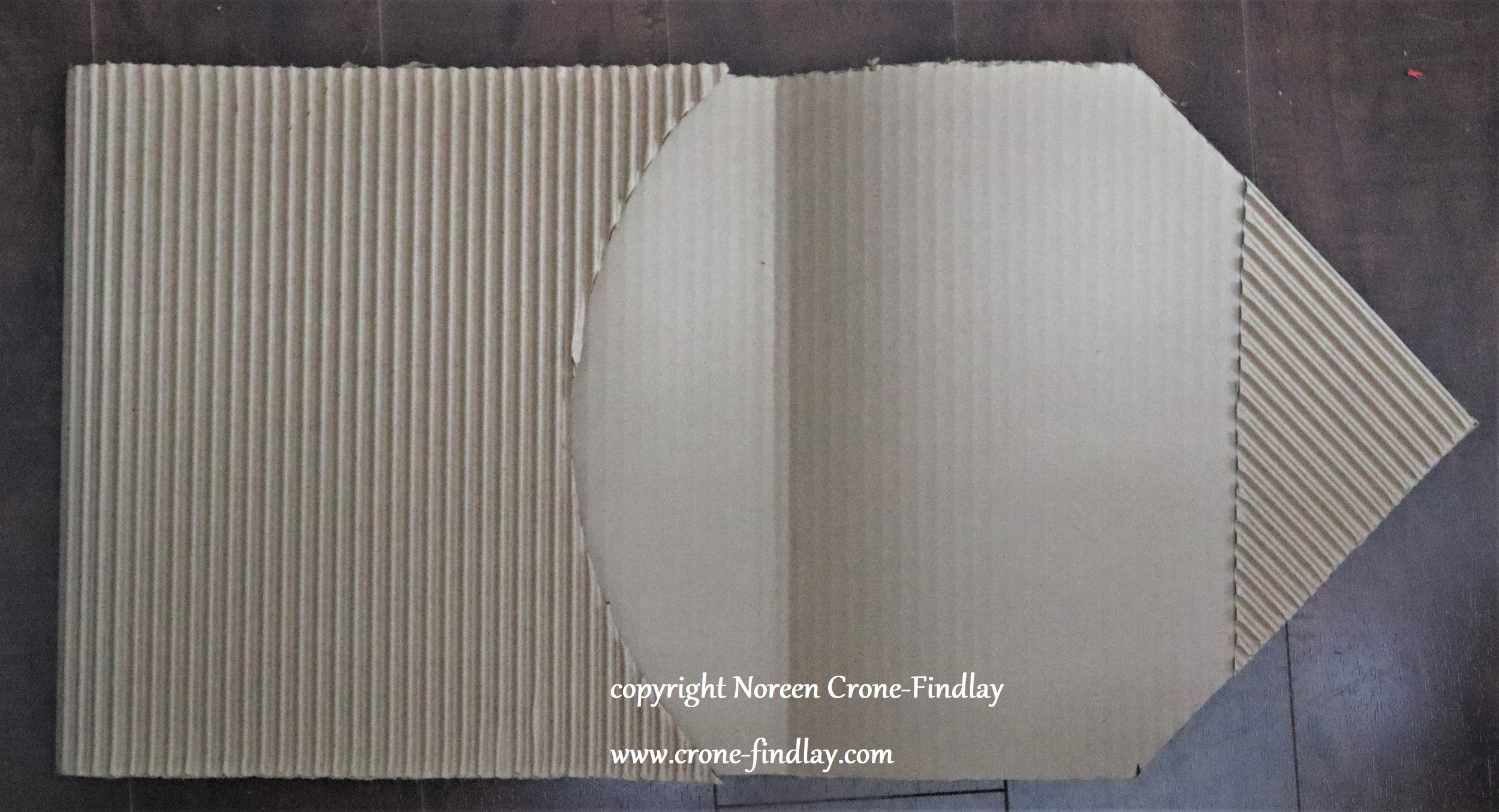
1: With the corrugations running the length of the piece: Cut 2 pieces of corrugated cardboard that are 13 inches/32.5 cm long by 5 1/2 inches/13.75 cm wide.
2: Tape or glue the 2 pieces of cardboard together.
3: Score a line with a ballpoint pen or knitting needle 1 inch/2.5 cm from each end.
4: Cut a notch out of the center of each end piece that is 1 inch/2.5 cm by 1 inch/2.5 cm.
5: Trace the pattern for the largest Woven Dancer onto plain paper or graph paper and center it on the backing board.
6: Tape it in place, then tape a piece of clear plastic, either from recycled plastic or a plastic page protector over the pattern.
To see all the links for the ‘How To’ posts for the “Imagine” Banner Weave along, please go to L I N K S
To order the loom, book and extras kit for the Weave Along from Mirrix, please go to K I T
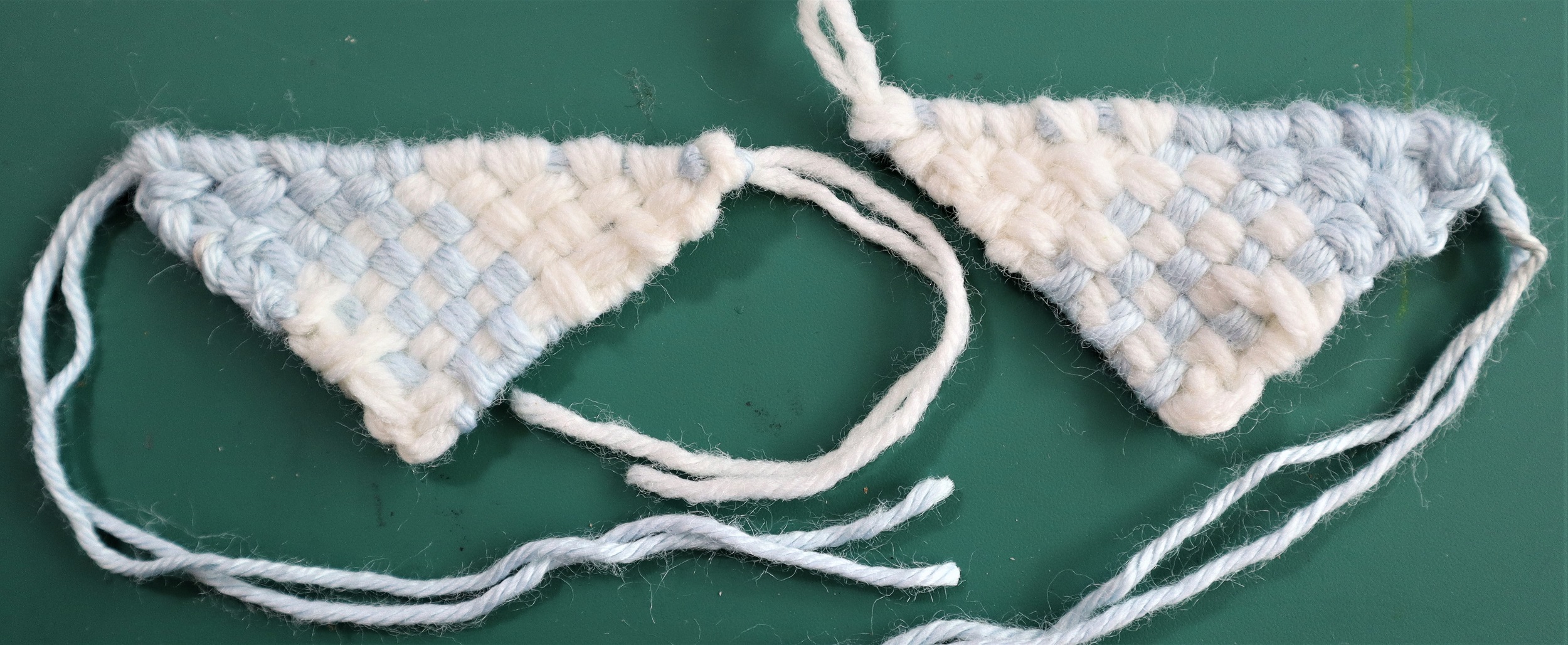
HOW TO WEAVETHE TRIANGLES:
Make 2.
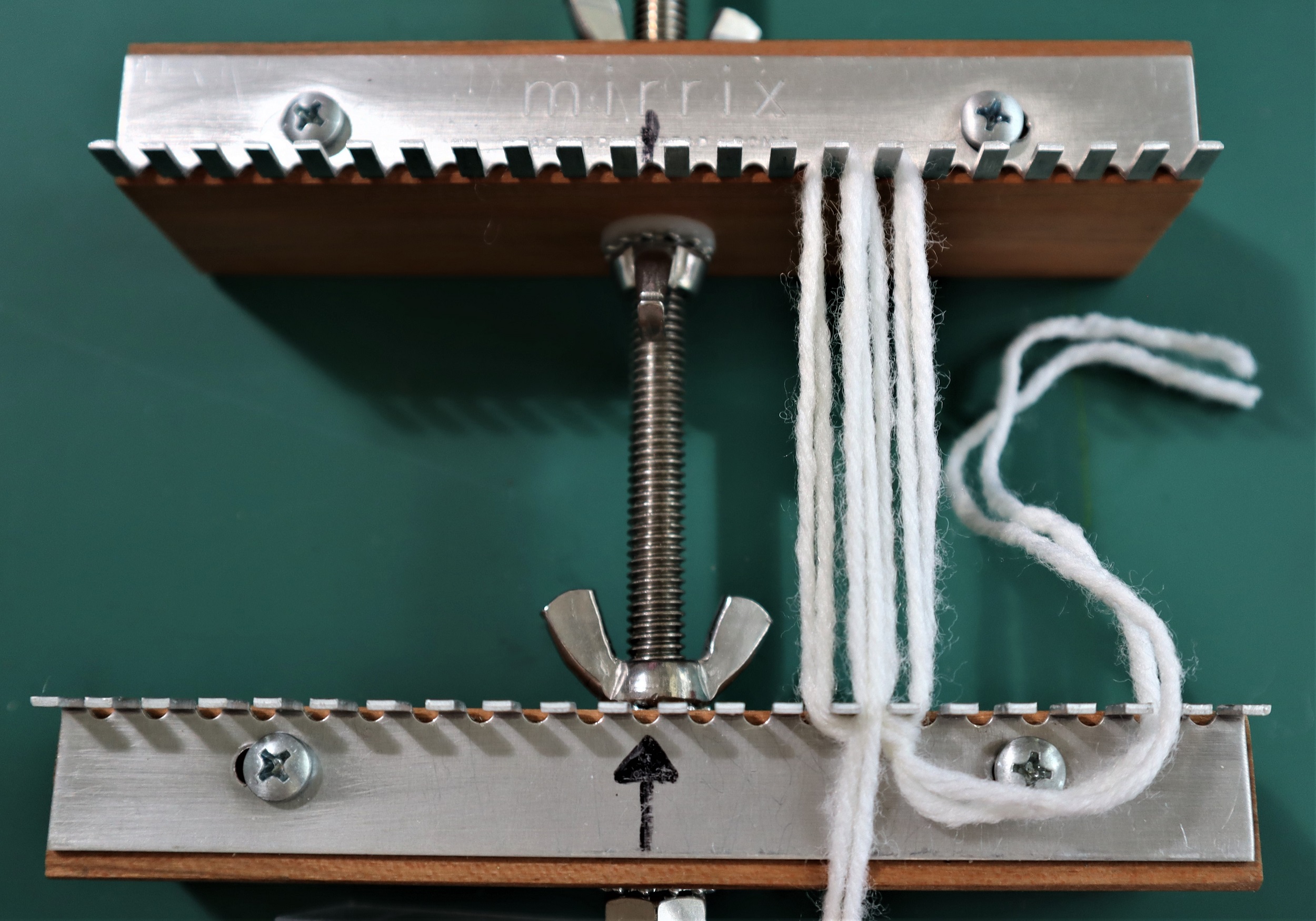
1: SET UP THE LOOM so it is 2 1/2 inches (approximately 6.25 cm) from the lower set of pegs to the upper set. Lock it into the ‘Sandy Stand’.
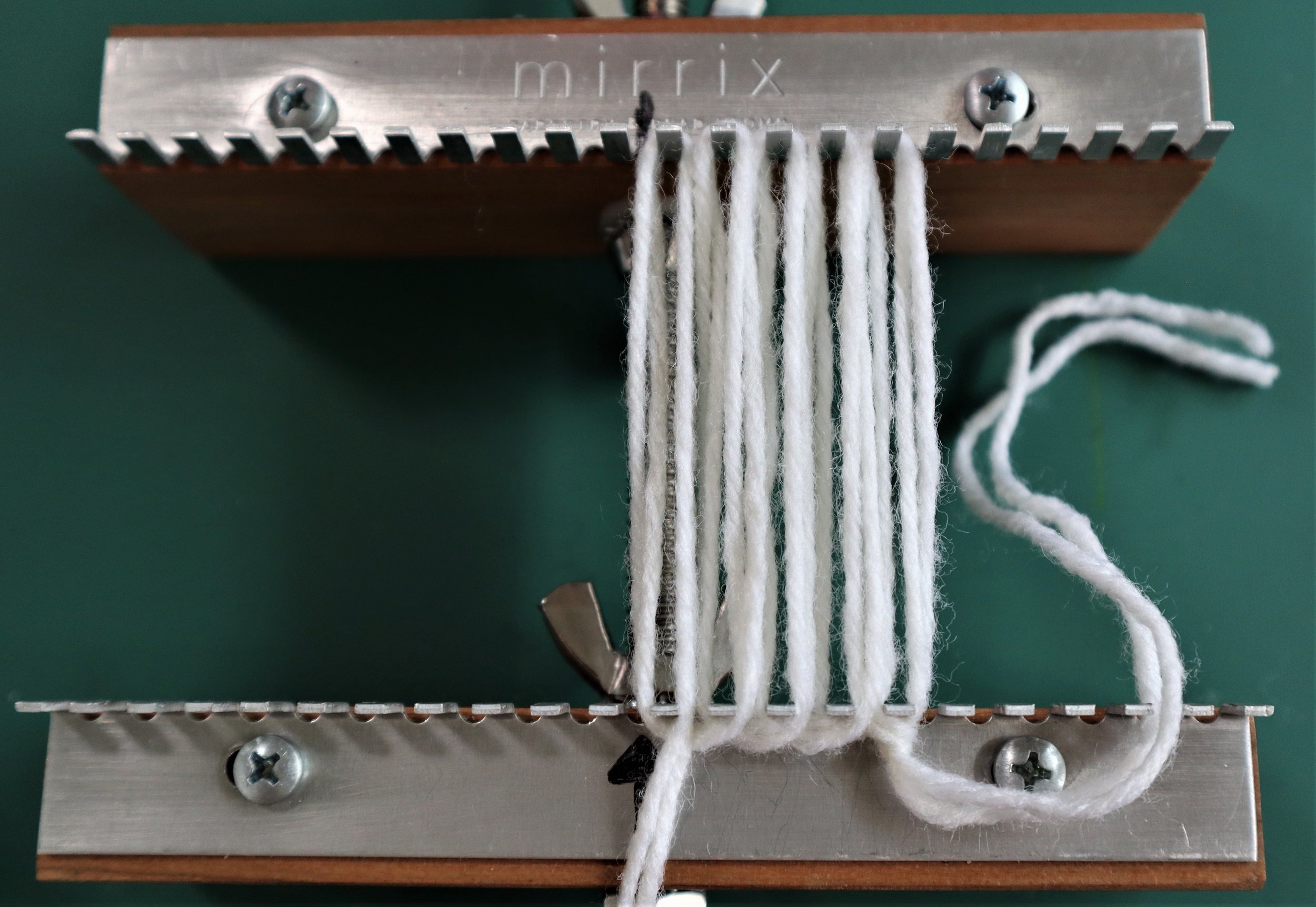
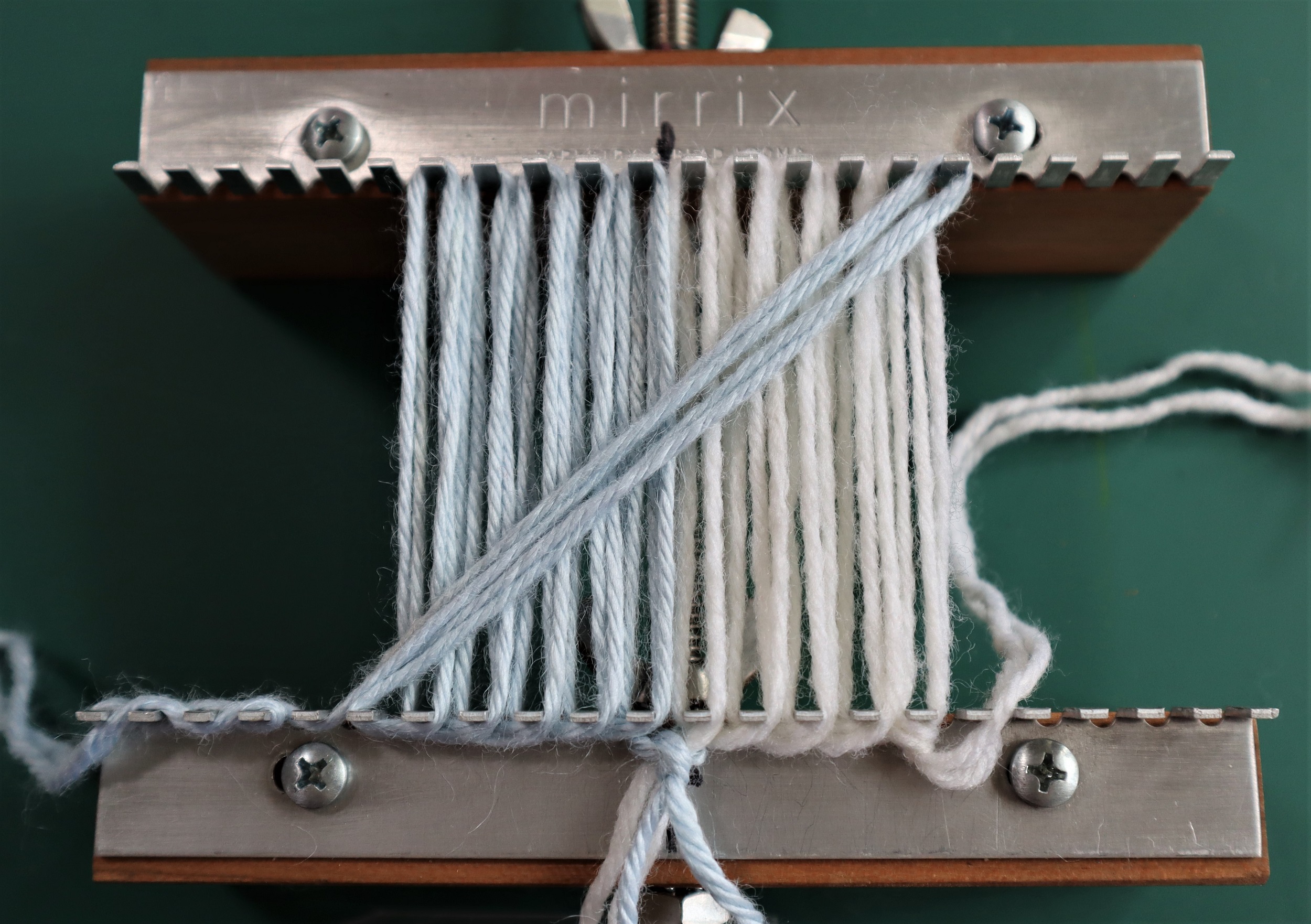
2: WARP THE LOOM: Following the instructions for warping the Triangle on page 82 of ‘Innovative Weaving on the Frame Loom’, leave 6 sets of pegs at both sides open so just the center 10 pegs are used: Begin at the right hand side.
With 2 strands of white yarn held together as if it is one strand, and 2 strands of pale blue yarn as if it is a single strand, put on 5 loops of white warp strands and then, 5 loops of blue yarn. Cut and tie a knot in the middle.
Diagonal:
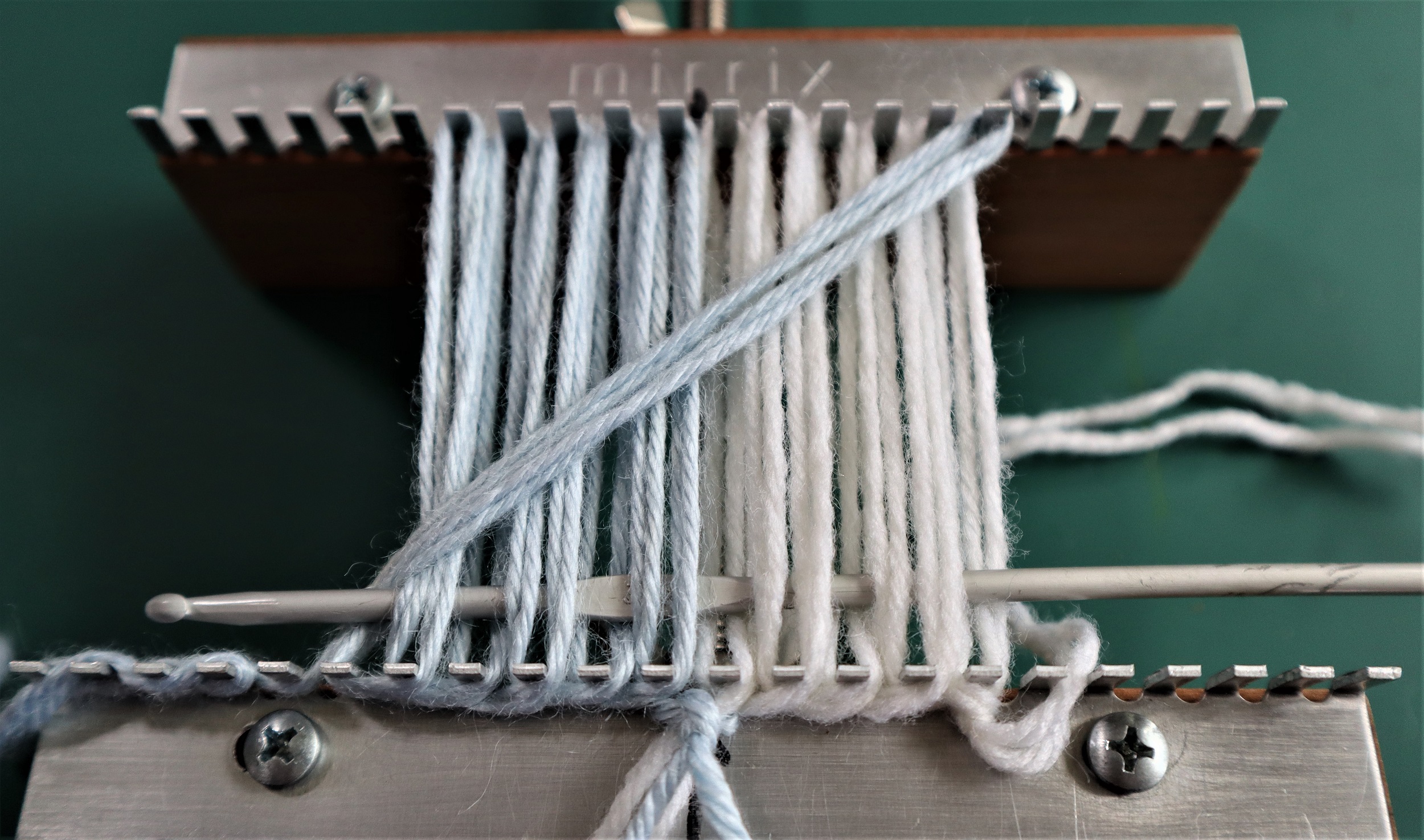
Take the blue yarn around the lower left hand peg beside the warp strands up to and around the peg that is adjacent to the warp strands at the top right hand peg
Weave the end of the blue yarn around the lower left hand pegs, back and forth to secure it, then snip the end off.
3: WEAVE:
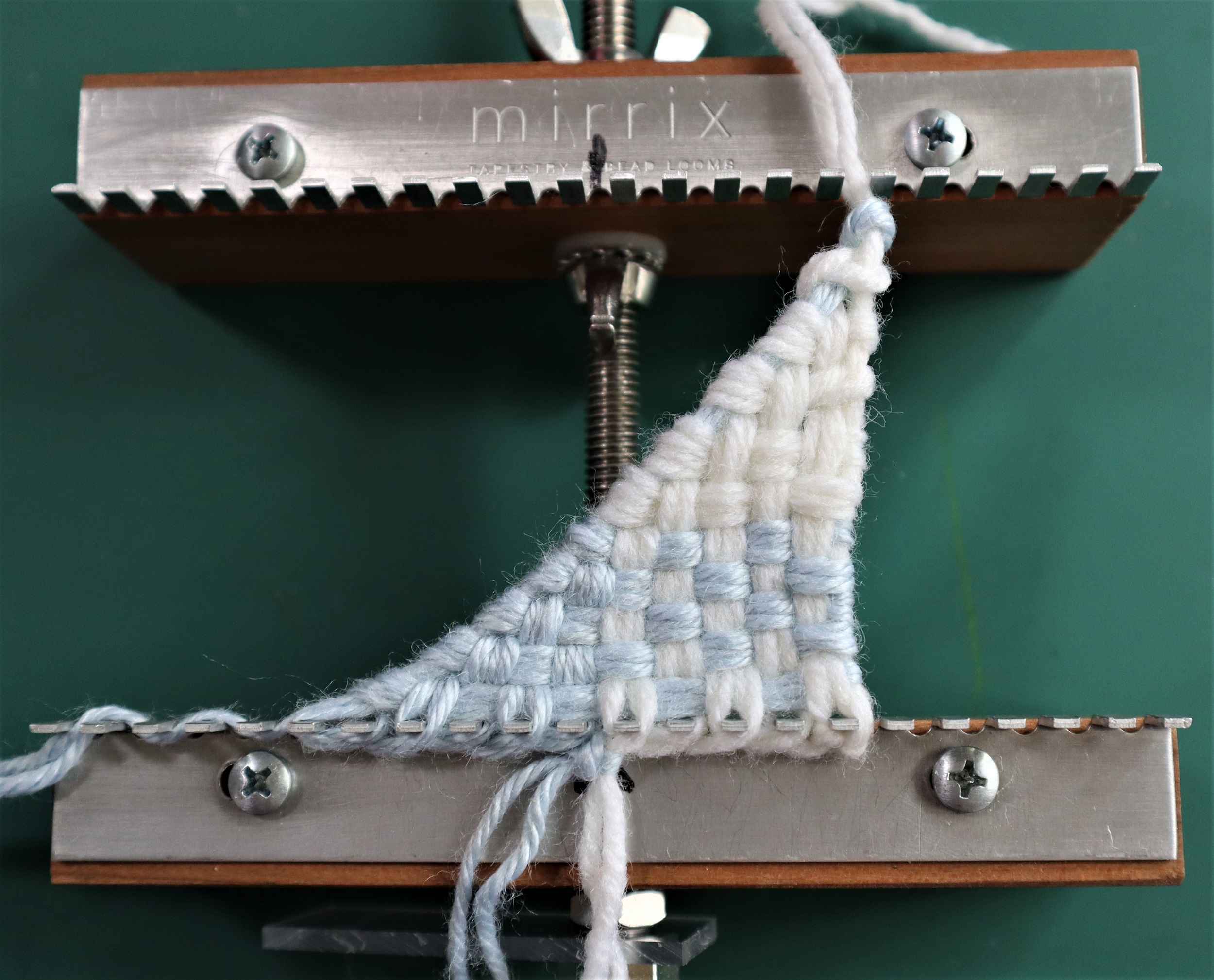
Follow the instructions in the book to weave the triangle, using a crochet hook. Repeat for the second triangle.
4: FINISHING THE TRIANGLES:
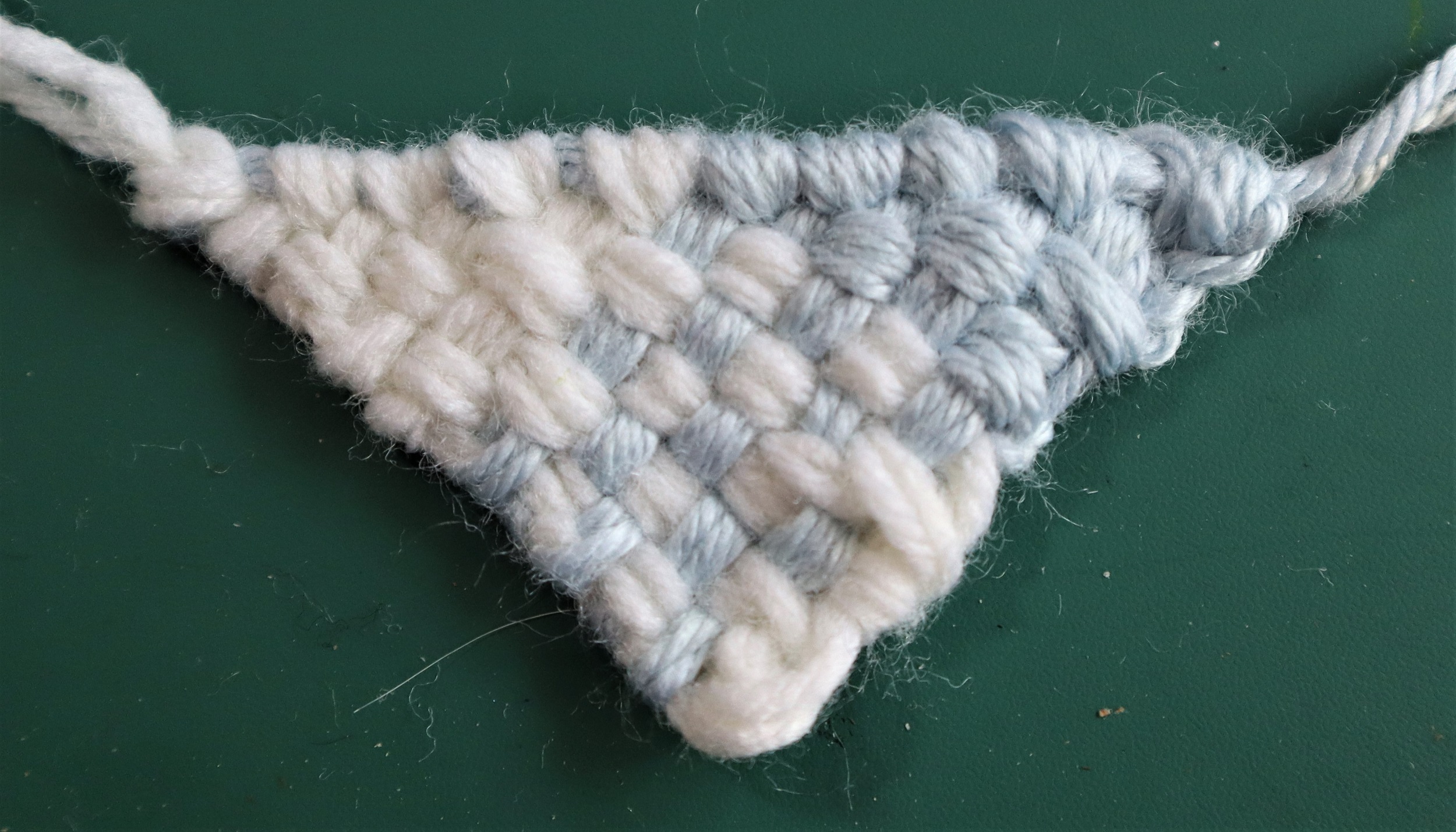
If necessary, pull up on the diagonal yarn end to pull the triangle into shape.
Steam the triangles on the wrong side with a steam iron, being sure to not touch the iron to the weaving.
Finger press the triangles to shape them into pleasing triangles.
One of my most favorite things to do at Christmas time is to make ‘the ornament of the year’ to give to family and friends. I usually end up making a LOT of them and it’s totally delightful.
This year, I have been weaving up a ton of tiny Snowmen- I designed them last year and made a video so other people can make them too.
For links to video on how to upcycle cloth tea bags into Teabag Yarn, and how to weave triangles with it, please go to: LINK
I love finding fun and unique ways to upcycle things, and so I have had so much fun turning cloth tea bags into yarn and weaving with it, to make tutus for the Merrie Sunshine and Mermaid Minnie Moonbeam dolls.
For the main page about Merrie Sunshine and Minnie Moonbeam dolls, please go to: LINK
Here is the video that shows how to make the Upcycled Tea Bag Tutu:
Many years ago, I bought a vintage gnome at a garage sale.
Rather liked that he had weathered off all his paint, and yet was still steadfastly all in one piece.
Last month, when I was weaving hearts for the window, I decided to add gnomes to the window, and the old fellow didn’t look cheerful enough to add to the gaity.
So I painted him:
It struck me as being odd that he didn’t have a mustache, so I added one, using my much loved old ‘Gnomes’ book as a guide.
I tried to add the Bunny to the window, but he’s too big and floppy, so he’s sitting in a corner of the studio instead.
I designed him many years ago for Canadian Living magazine.
Here’s a link to the pattern for him and his sweetheart: KNITTED BUNNIES
And, then, I took pics of some of the other things in that corner of the studio.
Including a little video:
And then I totally forgot to blog about Gnomes and Bunnies and looms.
Mermaids are a beautiful metaphor for staying afloat, no matter how hard the waves may crash upon the rocks.
This video tutorial shows how I took the idea of Yarn Baby (Tassle) dolls and created Mermaids with a little bit of yarn, a whole lot of love and a little bit of head scratching.
Oh, yes, also a few sneezes are included with love from our aged rescued Chihuahua mystery mix dear old dog who seems to respond to the making of video by coming into the studio and sneezing loudly whenever the video camera is turned on. Why? Who knows?
Anyhow, I hope that you will enjoy making Yarn Dolly Mermaids!
I wrote and designed and wrote and designed sooooooooooooo many patterns and projects for the Potholder Loom Weaving book that the book became too big, and my editor and I had to make some hard decisions. Even so, the book is a lot thicker than the publisher had originally intended, so many thanks to Stackpole Books and especially to my wonderful editor, Candi Derr, for going to bat for the book and letting it grow bigger than it was originally intended.
We pulled this design from the book and now I am offering it to you as a gift.
If you want to make the blanket larger, use a 27 peg (Pro size) 9 inch loom instead of the Traditional 18 peg size potholder loom.
POTHOLDER LOOM GEOMETRIC BLANKET by Noreen Crone-Findlay (copyright)
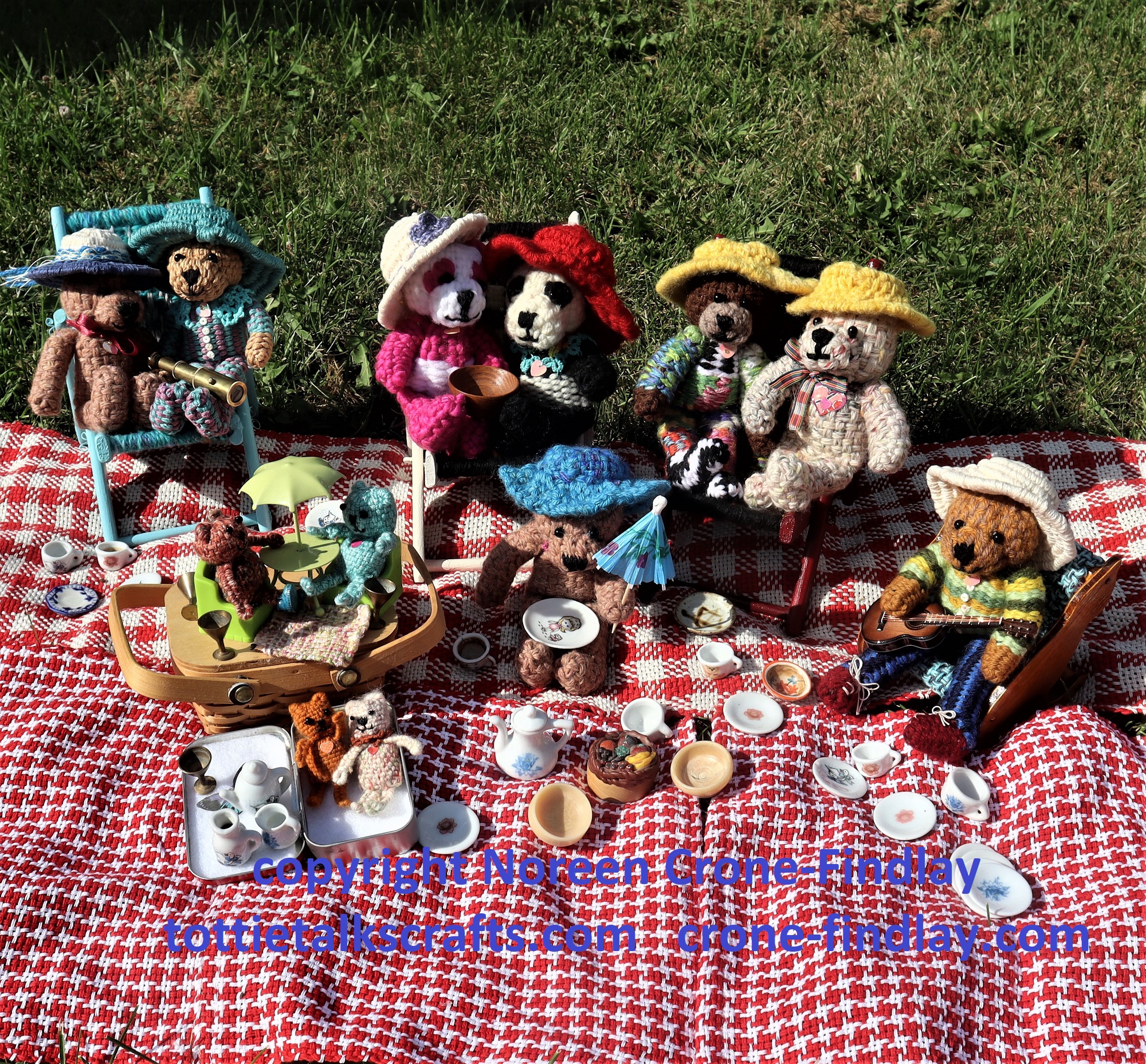
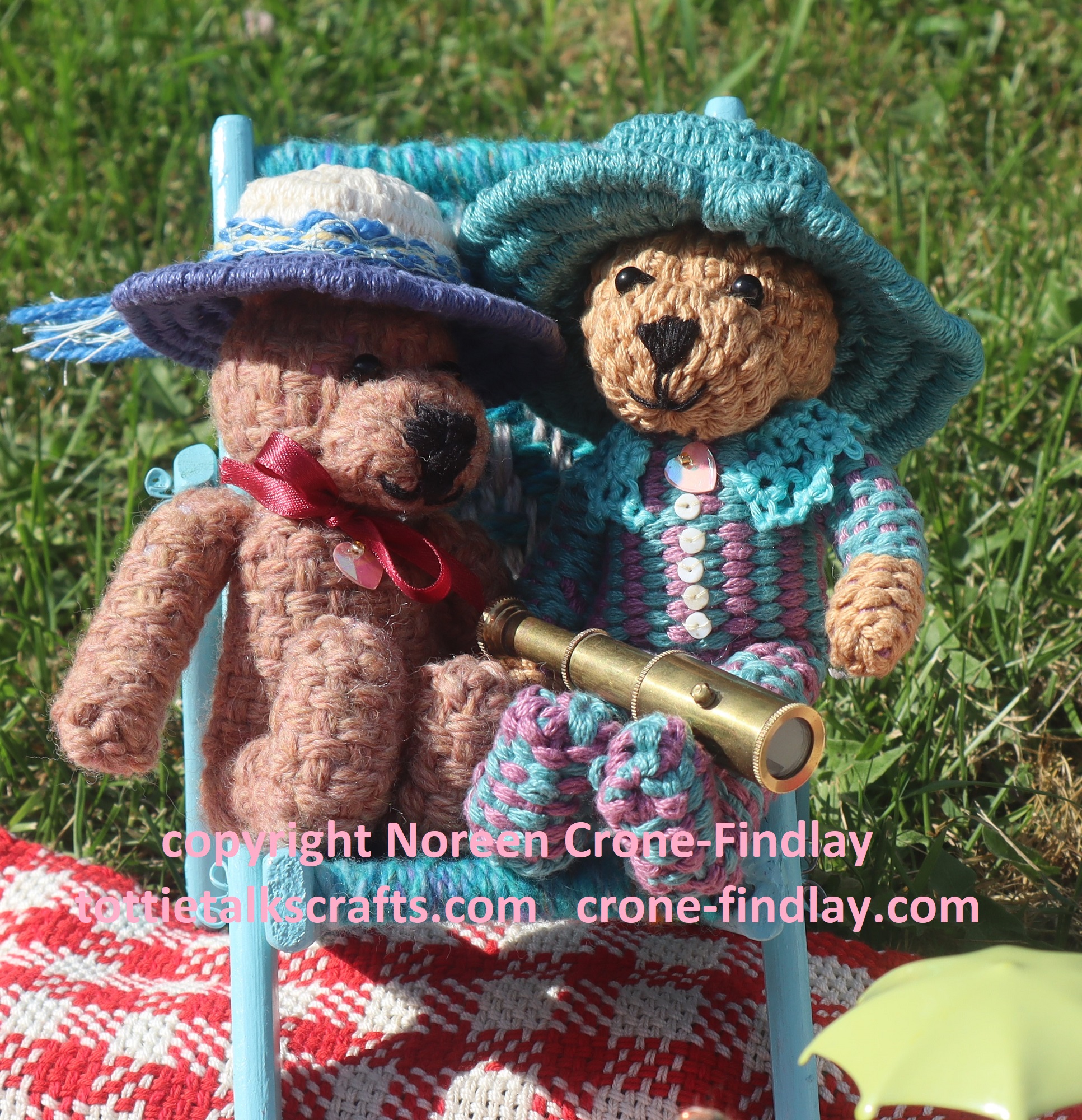
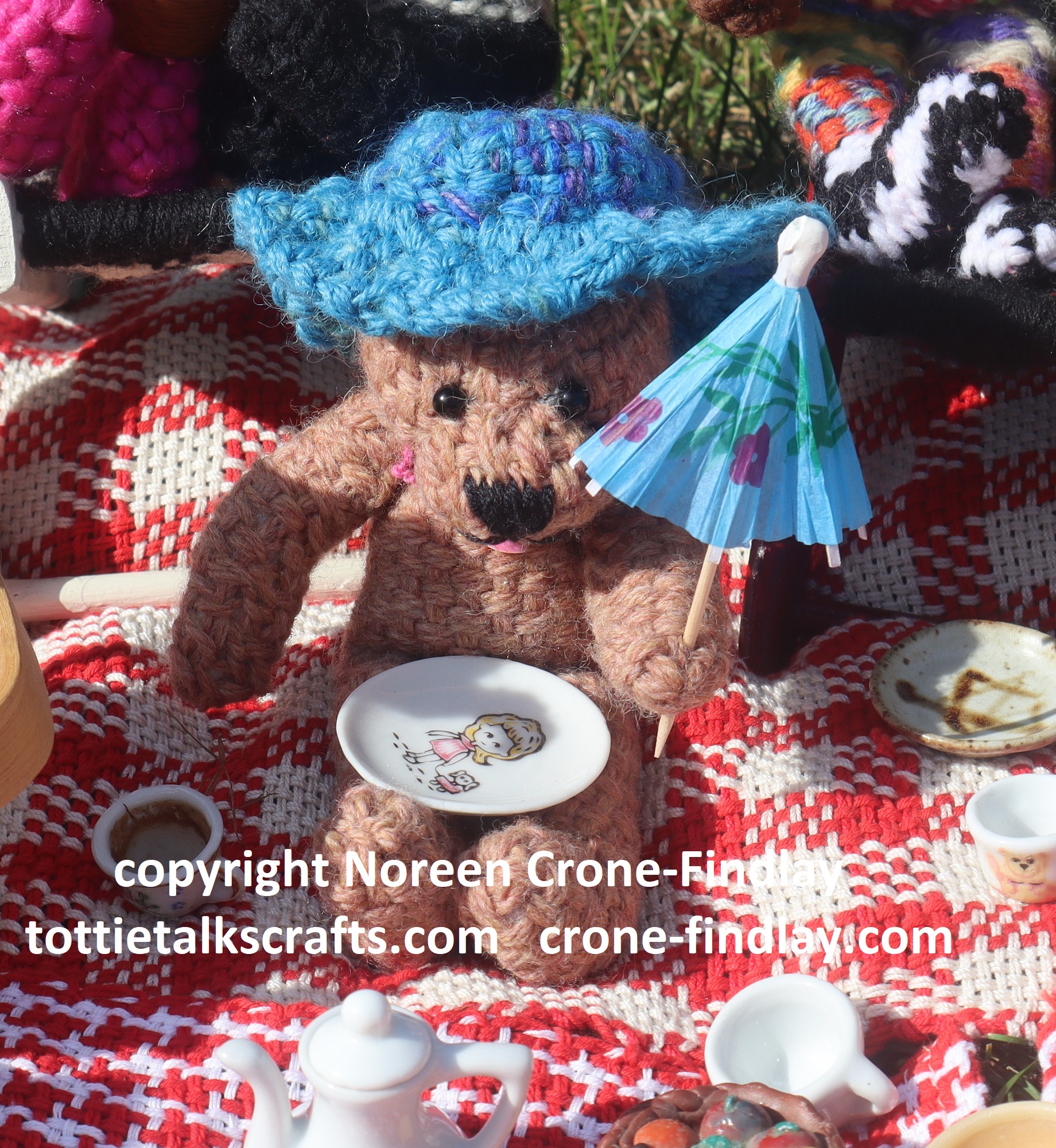
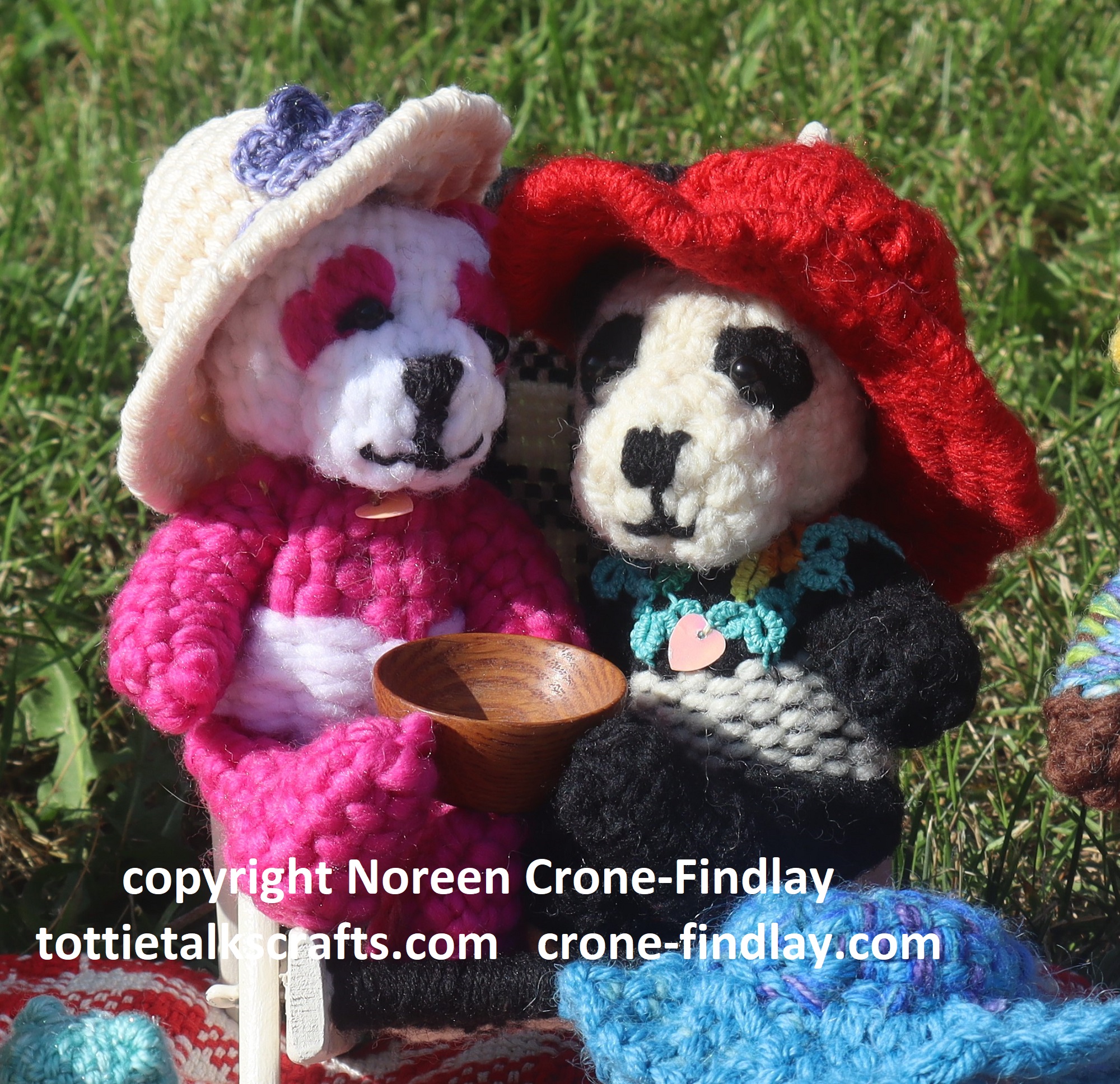
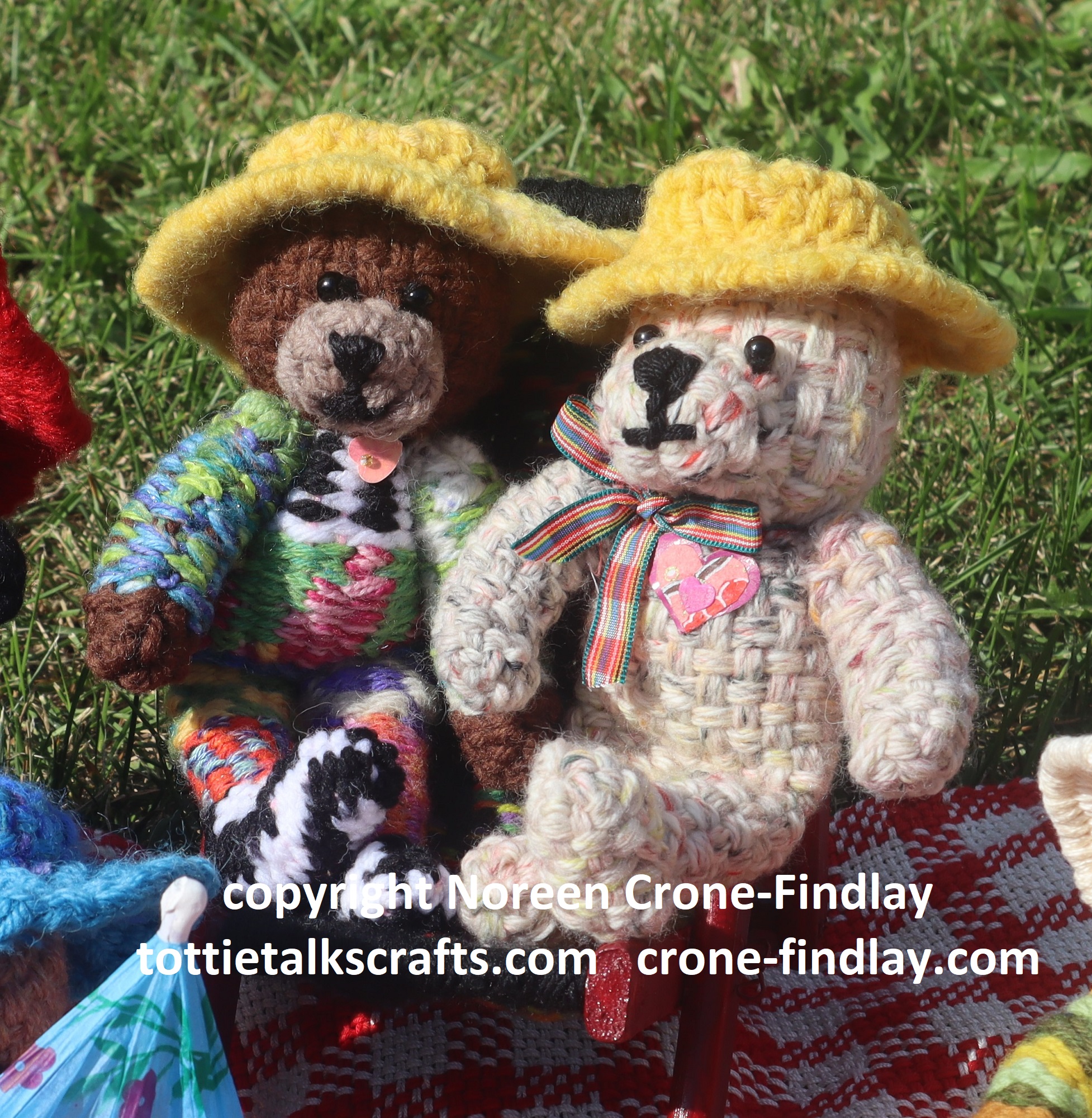
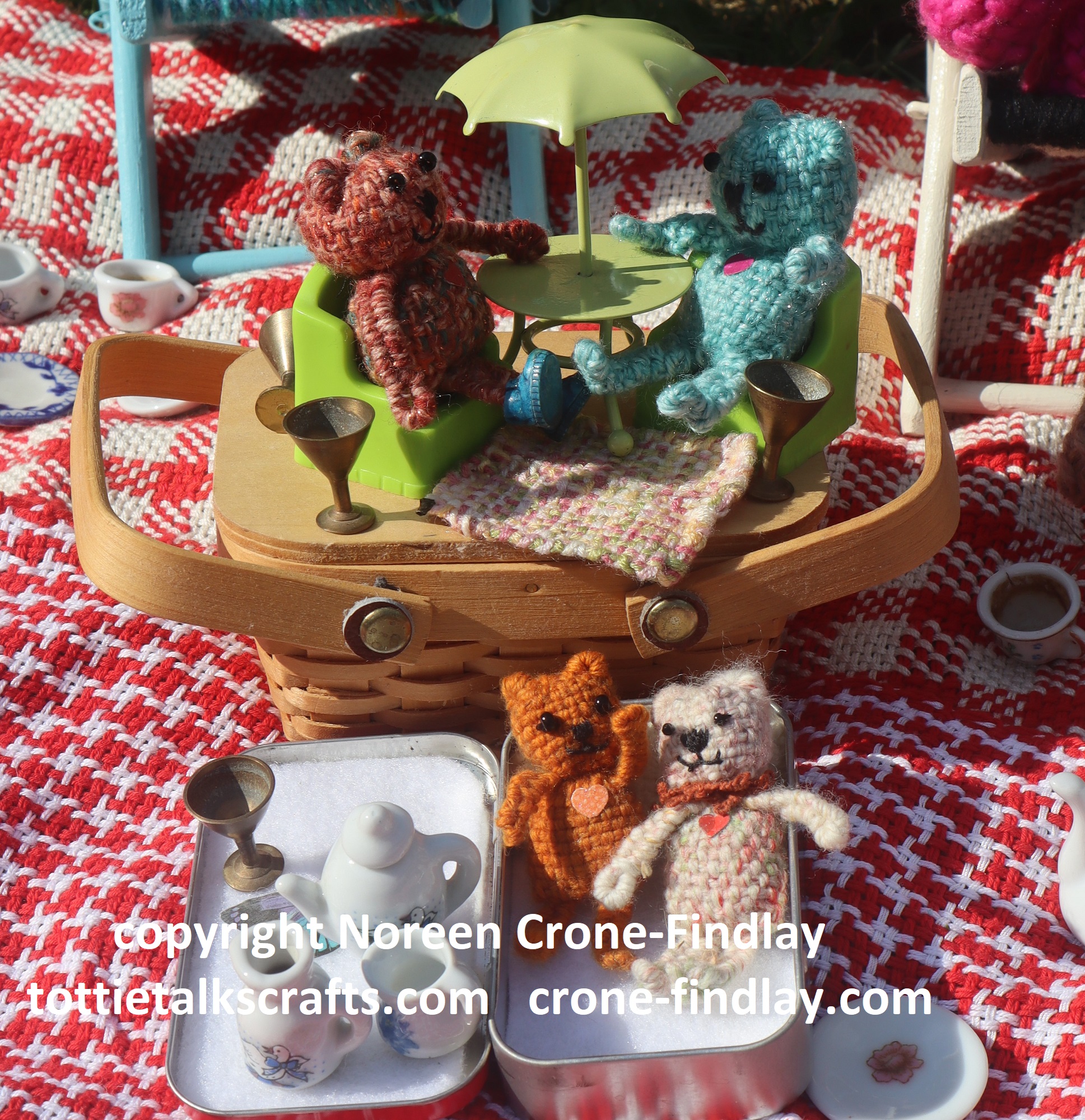
The Geometric blanket is a cozy wrap to keep you warm no matter what season. The teddy bears and their friends are having a lovely picnic on the Geometric blanket. Won’t you join them?
NOTES: Feel free to change colors and yarns. The blanket in the photos was woven with a single strand of bulky yarn. If you choose to work with thinner yarns, you will need to purchase (or spin) twice as much yarn and use 2 or more strands held together as if they are a single strand.
The twill pattern is on page 59 of Potholder Loom Weaving. The brown and green butterflies in the original blanket didn’t work well, so use the twill pattern or you choice of alternates instead.
FINISHED MEASUREMENTS: 60 inches/150 cm square.
If you would like a larger blanket, then use the large size (27 pegs or nails per side) potholder loom, following the chart and weaving the same number of squares and rectangles. You will need to purchase at least 50% more yarn.
WPI of yarn: 6 wraps per inch
EQUIPMENT AND TOOLS: Potholder loom- 6 inch size (18 pegs or nails per side), Optional: Small size (9 pegs or nails per side) potholder loom; weaving hook; chopstick or knitting needle for shed stick; crochet hook; scissors; tapestry or craft needle.
YARN: Lion Brand Wool-Ease Tonal; Bulky #5 weight yarn; 80% acrylic/ 20% wool; 124 yd/ 113 m; 4 oz/113 gm; 1 strand of yarn is used as warp and weft. 3 balls of each of the following colors: #112 Raspberry; #153 Night Sky; #123 Sand; #126 Coffee; 4 balls of #194 Lime.
INSTRUCTIONS:
WEAVE:
20 squares in #194 Lime Here’s a link that will show you how to weave with yarn on the potholder loom: LINK
16 squares warped with #194 Lime and woven with #126 Coffee
16 squares in #112 Raspberry
1 square in #153 Night Sky
12 squares in #126 Coffee
36 rectangles, warped vertically over 9 pegs or nails, and woven horizontally over 18 pegs or nails in #153 Night Sky, woven using Rectangle technique on https://youtu.be/K2X4nLRBBNs
16 squares in #123 Sand
4 small squares in #194 Lime, woven using instructions for how to weave small squares (9 pegs or nails by 9 pegs or nails) on p.10 of the Potholder Loom Weaving book or instructions that came with the small size potholder loom.
PUTTING IT ALL TOGETHER:
Stitch all the squares and rectangles together, following the chart .